
Introduction
Spanish football has become one of the most influential forces in world sport, and at the center of that football culture is LaLiga.
LaLiga is more than a football competition. It is a global sporting organization that brings together some of the most famous clubs, players, coaches, stadiums, rivalries, and football traditions in the world.
In 2026, Spanish football continues to evolve. Technology, young talent, international audiences, financial management, digital media, and modern football tactics are changing the way LaLiga operates and how fans experience the game.
The competition remains home to legendary clubs such as Real Madrid, FC Barcelona, Atlético de Madrid, Athletic Club, Sevilla, Valencia, Villarreal, and Real Betis, while new generations of players continue to emerge.
LaLiga officially consists of 20 clubs in its top division, LALIGA EA SPORTS, while LALIGA HYPERMOTION forms the second professional division with 22 clubs.
1. What Is LaLiga?
LaLiga is Spain’s professional football league and one of the most recognizable football competitions in the world.
The organization was established in 1984 and is responsible for organizing Spain’s national professional football competitions, as well as developing and commercializing the competition’s media and commercial assets.
The top division is known as LALIGA EA SPORTS.
Every season, clubs compete for the league championship while also fighting for qualification to European competitions and trying to avoid relegation.
This structure creates competition at different levels.
A club may be fighting for the title, another may be trying to qualify for Europe, while another may be fighting simply to remain in the league.
That competitive balance is one of the reasons LaLiga remains so exciting.
2. The History of Spanish Football
LaLiga has a history stretching back to the 1928–29 season.
The first league championship was won by FC Barcelona, while Real Madrid quickly became one of the dominant forces in Spanish football.
Throughout its history, LaLiga has produced extraordinary teams, managers, and players.
The competition has been influenced by different football philosophies, including possession-based football, counterattacking systems, defensive organization, technical midfield play, and modern tactical approaches.
This long history has helped create the identity that Spanish football has around the world.
3. Real Madrid and FC Barcelona: The Biggest Rivalry
One of the greatest attractions of LaLiga is the rivalry between Real Madrid and FC Barcelona.
Their famous meeting is known as El Clásico.
El Clásico is not simply another league match. It is one of the most watched sporting events in international football.
According to LaLiga, Real Madrid and Barcelona first met in the league in February 1929. Across their history, the rivalry has produced hundreds of matches and some of the greatest moments in football.
The rivalry has featured legendary players including:
- Lionel Messi
- Cristiano Ronaldo
- Alfredo Di Stéfano
- Raúl González
- Xavi Hernández
- Andrés Iniesta
- Karim Benzema
- Sergio Ramos
El Clásico represents more than three points.
It represents history, identity, competition, pressure, pride, and global football culture.
4. Atlético Madrid and the Challenge to the Giants
Although Real Madrid and Barcelona receive enormous international attention, Atlético de Madrid has demonstrated that LaLiga is not simply a two-club competition.
Atlético has built a strong identity based on tactical discipline, intensity, defensive organization, and competitive mentality.
Under different generations of players and coaches, Atlético has repeatedly challenged Spain’s biggest clubs.
This is important because a league becomes more interesting when multiple clubs have realistic ambitions.
5. The Importance of Young Players
One of the strongest characteristics of Spanish football is its ability to develop young talent.
Academies are extremely important to the future of LaLiga.
Young players can develop their technical ability, tactical understanding, decision-making, and football intelligence before becoming important first-team players.
Clubs such as Barcelona and Athletic Club have become particularly associated with youth development and academy systems.
The development of young players is not only important for individual clubs.
It also helps Spanish football remain competitive internationally.
6. LaLiga’s Football Philosophy
Spanish football is famous for technical quality and intelligent possession.
For many years, Spanish teams have emphasized:
- Ball control
- Short passing
- Movement
- Technical ability
- Tactical intelligence
- Positional play
- Patience
- Intelligent pressing
This style became especially famous through Spanish football’s success at international level and through clubs that developed sophisticated possession-based systems.
However, modern LaLiga is not limited to one style.
Different clubs use different tactical approaches.
Some teams prefer possession, while others focus on transitions, pressing, counterattacks, physical intensity, or defensive organization.
This tactical variety makes the league unpredictable.
7. Technology Is Changing LaLiga
Football in 2026 is increasingly connected to technology.
Technology is being used to improve broadcasting, analysis, refereeing, fan experiences, stadium operations, and player development.
One major recent development is LaLiga’s implementation of connected-ball technology across its matches, announced in August 2026.
Technology can provide more accurate information about what happens during a match.
It can also help broadcasters and analysts understand the game at a deeper level.
The modern football fan is therefore experiencing the sport in ways that were impossible decades ago.
8. Artificial Intelligence and Football
Artificial intelligence is becoming increasingly important in modern football.
AI can assist clubs and analysts with areas such as:
- Match analysis
- Player performance
- Tactical analysis
- Scouting
- Injury-risk monitoring
- Opposition analysis
- Fan engagement
- Content creation
LaLiga has also announced technology initiatives focused on artificial intelligence and football, including its Tech Powerhouse 2026 observatory.
The future of football will therefore involve not only talented players but also increasingly sophisticated technology.
9. The Global Popularity of LaLiga
LaLiga is no longer only a Spanish football competition.
It has become a global entertainment product.
Fans around the world follow Spanish clubs through television, streaming platforms, social media, websites, mobile applications, and digital communities.
LaLiga has expanded its international presence through offices and representatives in many countries and has built a large global digital audience.
This international reach means that a match played in Madrid, Barcelona, Bilbao, Seville, or Valencia can attract attention from fans thousands of kilometers away.
10. Social Media and Football Fans
Social media has transformed football fandom.
Fans no longer have to wait until the next newspaper to learn what happened during a match.
Today, supporters can immediately see:
- Goals
- Highlights
- Interviews
- Player reactions
- Tactical analysis
- Behind-the-scenes content
- Training videos
- Club announcements
- Fan reactions
This creates a direct connection between clubs and their supporters.
For younger generations, football and social media are increasingly connected.
11. Stadiums and the Matchday Experience
Football is not only about what happens on the pitch.
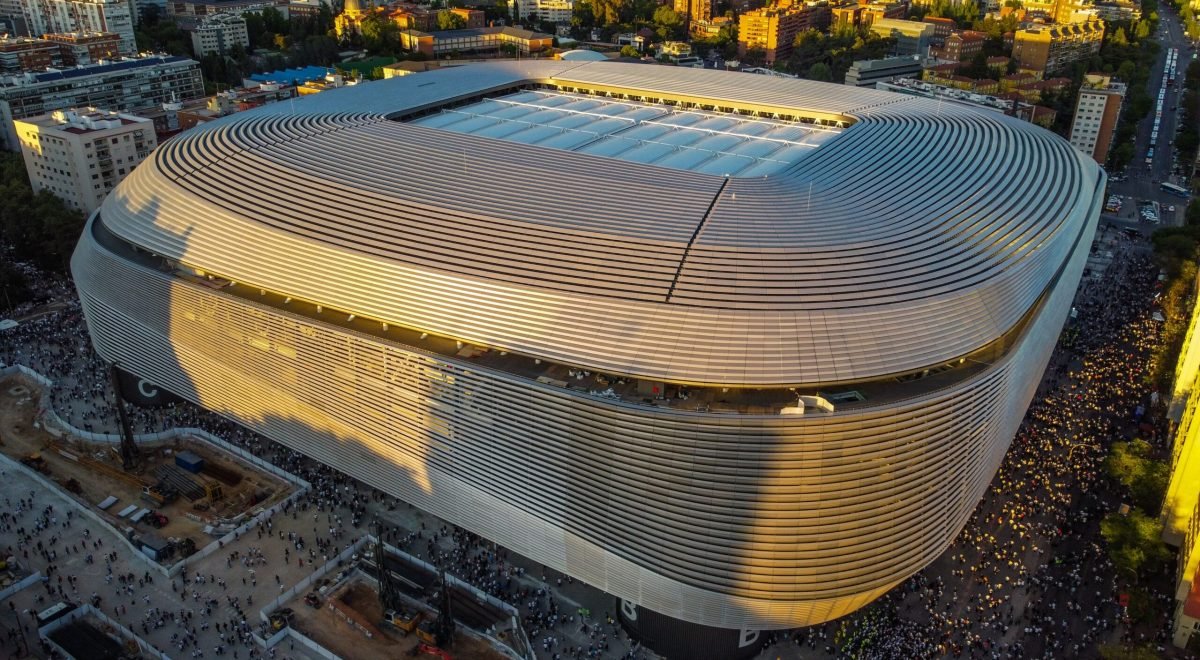
The stadium experience is also extremely important.
Fans want modern facilities, entertainment, security, digital services, food, merchandise, comfortable seating, and unforgettable experiences.
LaLiga’s official data shows millions of spectators attending matches across its competitions, demonstrating the continuing importance of live football.
A stadium can therefore become part of a club’s identity.
The atmosphere created by supporters can influence the emotional experience of players and fans.
12. The Business of LaLiga
Modern football is also a major global business.
LaLiga generates value through areas such as:
- Broadcasting rights
- Sponsorship
- Advertising
- Ticket sales
- Merchandise
- Digital content
- International partnerships
- Commercial agreements
The league has also focused on financial controls and sustainable growth.
Since 2013, LaLiga has emphasized financial control, centralized audiovisual-rights sales, internationalization, and technological development.
Financial stability is important because football clubs need to compete while also managing their long-term responsibilities.
13. The Importance of El Clásico in Global Football
El Clásico deserves special attention because it represents the global power of Spanish football.
The rivalry has attracted some of the greatest players in football history.
Lionel Messi remains the leading scorer in LaLiga El Clásico history with 18 goals, while Alfredo Di Stéfano, César Rodríguez, and Raúl González are also among the historic leading scorers.
But statistics are only part of the story.
El Clásico is powerful because millions of people have emotional connections to the clubs.
A match between Barcelona and Real Madrid can become a global conversation.
14. The Future of LaLiga
The future of LaLiga will probably be shaped by several major forces.
Technology
More advanced technology will influence analysis, broadcasting, refereeing, and fan experiences.
Young Talent
Academies will continue to produce players who can become future stars.
Globalization
LaLiga will continue expanding its international audience.
Digital Media
Social platforms and streaming will become increasingly important.
Financial Sustainability
Clubs will need to balance ambition with responsible financial management.
Fan Experience
Football organizations will increasingly focus on giving supporters better experiences both inside and outside the stadium.
15. Why LaLiga Remains Special
There are many football leagues around the world, but LaLiga has a unique combination of characteristics.
It has:
- Historic clubs
- Legendary players
- World-famous rivalries
- Technical football
- Strong youth academies
- Passionate supporters
- International popularity
- Modern technology
- Competitive matches
- Deep football culture
The league’s greatest strength may be the combination of its history and its ability to evolve.
It respects the traditions of Spanish football while continuing to adopt new technology and new ways of connecting with supporters.
Conclusion
LaLiga in 2026 represents the meeting point between football history and the future of sport.
The league has a remarkable history, but it is not living only in the past.
Technology is changing the way matches are analyzed and experienced. Young players are creating new stories. Clubs are developing new strategies. Digital platforms are connecting Spanish football with supporters around the world.
Real Madrid, Barcelona, Atlético Madrid, and many other clubs continue to create some of the most exciting football stories in the world.
At the same time, LaLiga’s future depends on its ability to remain competitive, financially sustainable, technologically advanced, and connected to its fans.
Ultimately, LaLiga is more than 90 minutes of football.
It is history, culture, rivalry, talent, technology, business, emotion, and passion.
And in 2026, the story of Spanish football is still being written.
LaLiga is not simply part of world football—it is one of the places where the story of world football continues to happen.