
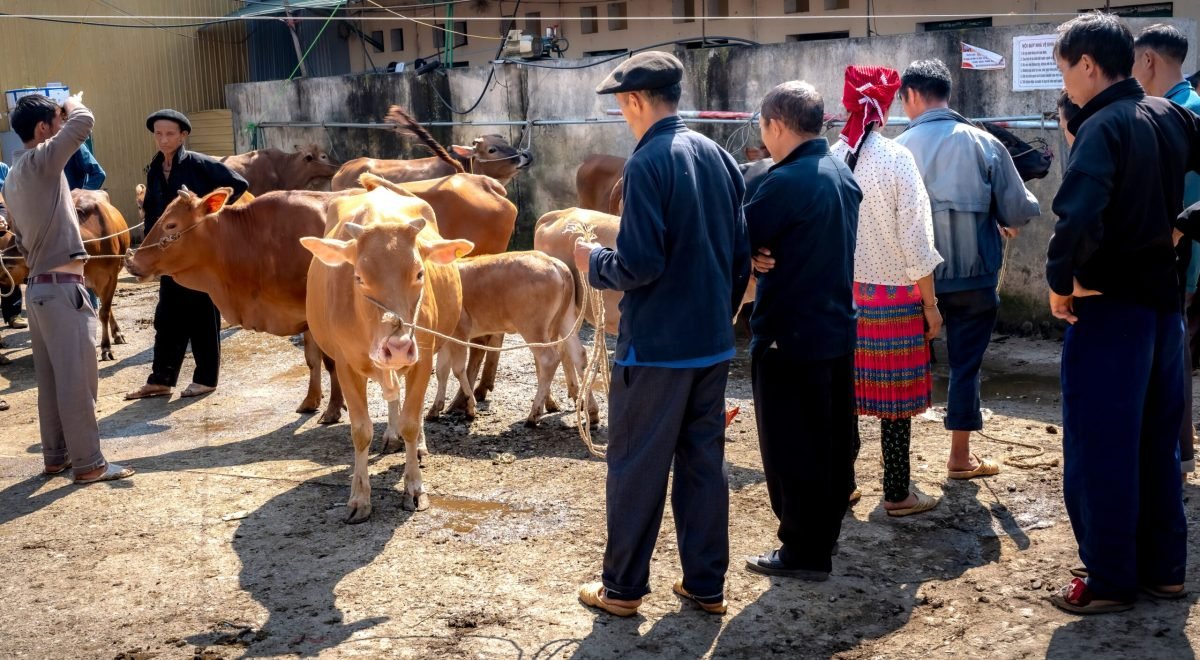
How to Market Livestock Effectively Proven Strategies for Farmers
Livestock farming is not just about raising healthy animals — it is also about knowing how to sell them profitably. Many farmers and herders invest years of hard work into breeding and caring for their cattle, goats, sheep, and camels, only to lose value at the point of sale because they lack a clear marketing strategy. Effective livestock marketing bridges the gap between production and profit, ensuring that farmers get fair prices while building long-term relationships with buyers.
This article outlines proven strategies that farmers, herders, and livestock traders can use to market their animals more effectively, whether they are selling locally or aiming for export markets.
1. Understand Your Market and Buyers
Before marketing any livestock, it is essential to understand who your buyers are. Are you selling to local butchers, exporters, other farmers looking for breeding stock, or consumers directly? Each buyer type has different needs:
- Butchers and meat processors often look for animals with good weight and meat quality.
- Exporters prioritize breed standards, health certifications, and compliance with international regulations.
- Breeders are interested in genetics, pedigree, and reproductive history.
- Direct consumers may value ethical raising practices, breed type, or specific cuts.
Researching your target market helps you tailor your animals’ presentation, pricing, and communication to match buyer expectations.
2. Improve Animal Health and Presentation
Healthy, well-presented animals sell faster and at better prices. Buyers are naturally drawn to livestock that appear well-fed, clean, and free of visible illness or parasites. Simple steps such as regular veterinary checkups, proper grooming, vaccination records, and clean housing can significantly increase the perceived value of your animals.
Keeping detailed health and breeding records also builds buyer confidence, especially for export or high-value transactions where documentation is often required.
3. Leverage Digital Marketing and Social Media
Traditional livestock markets are increasingly being supplemented — or even replaced — by digital platforms. Farmers can now reach buyers far beyond their local market by using:
- Social media platforms (Facebook, WhatsApp, Instagram, TikTok) to post photos and videos of animals, share pricing, and communicate directly with interested buyers.
- Online livestock marketplaces, which allow farmers to list animals with details such as breed, age, weight, and price.
- Short videos showing animals in good health and condition, which build trust faster than photos alone.
A consistent online presence also helps build a recognizable brand, so repeat buyers know exactly where to find quality animals.
4. Build a Trusted Brand
Just like any other business, livestock farming benefits from branding. A farmer known for consistently healthy, well-raised animals will attract more buyers and can often charge premium prices. Branding elements to consider include:
- A consistent farm name or logo used across sales materials and social media.
- Clear communication of your farming practices (e.g., grass-fed, disease-free, ethically raised).
- Positive word-of-mouth and buyer testimonials shared publicly.
Trust is the currency of livestock trading — buyers return to sellers they believe are honest and reliable.
5. Time Your Sales Strategically
Livestock prices fluctuate based on seasonality, religious holidays, and market demand. For example, demand for sheep and goats often spikes before major holidays such as Eid al-Adha, while cattle demand may rise during specific trading seasons. Farmers who plan their breeding and selling cycles around these peak demand periods can command significantly higher prices.
Monitoring market trends and staying informed about regional and export demand cycles is a critical part of a good marketing strategy.
6. Explore Export Opportunities
For farmers with access to larger herds or higher-quality breeds, export markets can offer substantially better returns than local sales. However, exporting requires:
- Compliance with international animal health and quarantine standards.
- Proper documentation and certification.
- Relationships with export agents or trading companies.
Even farmers who are not ready to export directly can benefit from selling to local traders who supply export markets, provided their animals meet the required health and quality standards.
7. Network Within the Livestock Trading Community
Strong relationships with other farmers, traders, transporters, and market intermediaries can open doors to better prices and more reliable buyers. Attending livestock markets and auctions regularly — even when not actively selling — helps farmers stay informed about pricing trends and build a reputation within the trading community.
Conclusion
Effective livestock marketing combines traditional trading wisdom with modern tools. By understanding buyer needs, maintaining healthy and well-presented animals, using digital platforms, building a trusted brand, timing sales strategically, exploring export opportunities, and networking within the trading community, farmers can significantly increase their income and build sustainable livestock businesses.
Marketing is no longer optional in livestock farming — it is a core skill that separates thriving farmers from those who struggle to get fair value for their animals.