


Introduction
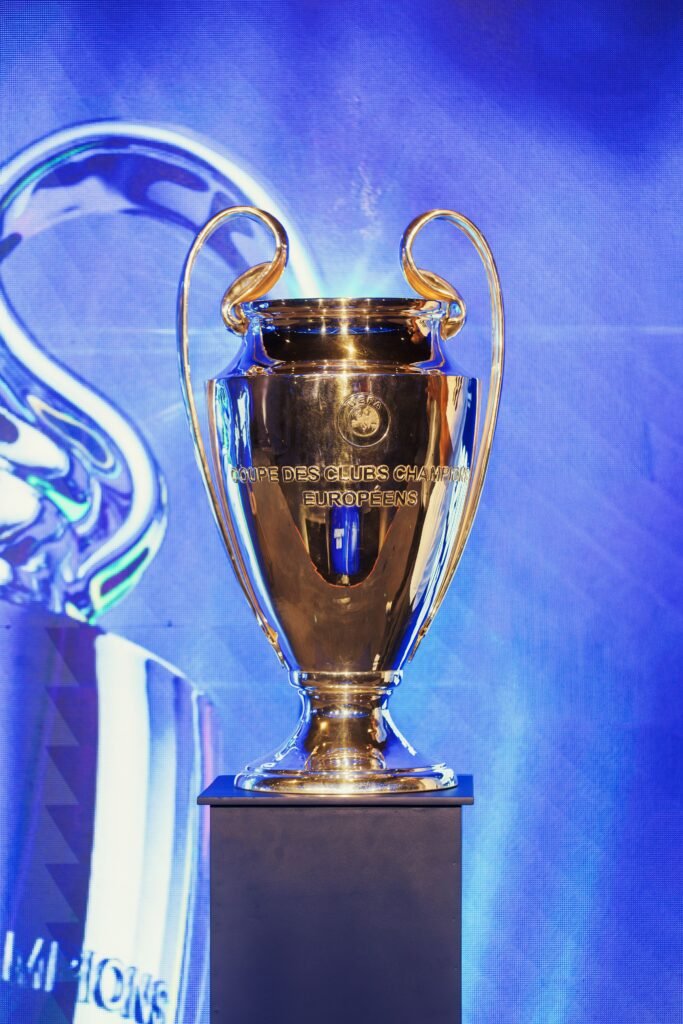
The UEFA Champions League is one of the biggest and most prestigious football competitions in the world. Every year, the best clubs in Europe compete for the opportunity to become European champions. The competition brings together famous clubs, talented players, experienced coaches, passionate supporters, and millions of football fans around the world.
The 2025/26 UEFA Champions League was a particularly interesting season because it continued the new competition format introduced in the previous season. Instead of the traditional group stage, UEFA used a 36-team league phase, creating a new and more competitive path toward the final.
The season eventually ended with Paris Saint-Germain (PSG) becoming European champions for the second consecutive season. The final was played on 30 May 2026 in Budapest, Hungary.
1. What Is the UEFA Champions League?
The UEFA Champions League is an annual European club football competition organized by UEFA, the governing body of football in Europe.
The tournament includes some of the strongest clubs from European countries. Qualification is mainly based on performances in domestic leagues and other European competitions.
Winning a domestic league means becoming one of the best teams in a particular country. Winning the Champions League is different because a club must compete against elite teams from many different countries.
For players and clubs, the Champions League trophy is one of the most valuable achievements in football.
2. The 2025/26 Champions League
The 2025/26 season was the 71st season of Europe’s top club competition and the second season to use the new league-phase format.
The competition began with qualifying rounds in 2025. The league phase started in September 2025 and continued until January 2026. After that, the competition entered the knockout stages.
The tournament eventually reached the final in Budapest on 30 May 2026, where Paris Saint-Germain successfully defended their European title.
This made the season especially memorable because winning the Champions League once is difficult, but winning it in consecutive seasons is an even greater achievement.
3. The New League-Phase Format
One of the biggest changes in the modern Champions League is the introduction of the league phase.
Previously, teams were divided into groups and played against a limited number of opponents.
In the new format, 36 teams are placed in one overall league table.
Each club plays eight matches against eight different opponents. Four matches are played at home and four away.
The teams receive:
- 3 points for a win
- 1 point for a draw
- 0 points for a defeat
At the end of the league phase, the teams are divided according to their positions.
The teams finishing 1st to 8th qualify directly for the Round of 16.
Teams finishing 9th to 24th enter the knockout play-offs.
Teams finishing 25th to 36th are eliminated.
This system makes every match important because even one result can change a club’s position in the table.
4. The Importance of the League Phase
The new league phase creates more variety because clubs face different opponents rather than playing the same teams repeatedly.
A club might face a strong English team, a Spanish giant, an Italian club, and a German team during the same stage.
This creates different tactical challenges.
Teams must be prepared to play against different football styles and formations. Coaches therefore need to study every opponent carefully.
The final league-phase matches are particularly exciting because all teams are fighting for their positions.
Finishing eighth can mean automatic qualification for the Round of 16, while finishing ninth means having to play additional matches.
This makes even a single goal extremely important.
5. Major Clubs in the Competition
The 2025/26 Champions League included many famous European clubs.
Important English teams included:
- Liverpool
- Arsenal
- Manchester City
- Chelsea
- Tottenham Hotspur
- Newcastle United
Spain was represented by clubs such as:
- Real Madrid
- Barcelona
- Atlético Madrid
- Athletic Club
- Villarreal
Germany had:
- Bayern Munich
- Borussia Dortmund
- Bayer Leverkusen
- Eintracht Frankfurt
Italy included:
- Inter Milan
- Juventus
- Napoli
- Atalanta
France had clubs including:
- Paris Saint-Germain
- Marseille
- Monaco
Other European clubs also competed, making the tournament truly international.
6. The Knockout Phase
After the league phase, the competition entered the knockout stages.
Teams finishing from 9th to 24th had to play knockout play-offs to qualify for the Round of 16.
The play-offs were played over two legs, with one match at home and one away.
After the play-offs, the competition continued with:
- Round of 16
- Quarter-finals
- Semi-finals
- Final
The knockout rounds are especially exciting because one mistake can eliminate a team.
Unlike the league phase, there is no opportunity to recover from a poor result over a long season.
Every goal becomes extremely important.
7. The Quarter-Finals and Semi-Finals
The quarter-finals brought together eight of the remaining strongest teams.
At this stage, tactical planning became even more important.
Managers had to think carefully about:
- Defensive organization
- Possession
- Counterattacks
- Pressing
- Player fitness
- Substitutions
- Set pieces
After the quarter-finals, only four teams remained.
The semi-finals represented the final step before the championship match.
Players faced enormous pressure because they were only two matches away from becoming European champions.
8. The Final in Budapest
The Champions League final was played on 30 May 2026 in Budapest, Hungary.
The final represented the end of a long European journey that had lasted many months.
At the end of the competition, Paris Saint-Germain were crowned Champions League winners for the second consecutive season.
This achievement was extremely important for the club.
Winning the Champions League once is difficult because the competition contains many of the strongest clubs in the world.
Winning it two years in a row demonstrates consistency, quality, strong management, and the ability to perform under pressure.
9. The Importance of Teamwork
One of the most important lessons from the Champions League is that football is a team sport.
A club cannot normally win the competition through one player alone.
Successful teams need:
- A strong goalkeeper
- Reliable defenders
- Creative midfielders
- Effective attackers
- A strong coach
- Good substitutes
- Tactical discipline
- Mental strength
Every player has an important responsibility.
Attackers must score goals, midfielders must control the game, defenders must stop opponents, and goalkeepers must make important saves.
When all these elements work together, a team becomes much stronger.
10. The Role of the Manager
The manager has a major influence on a team’s success.
Champions League managers must prepare their teams for different opponents.
Some teams prefer possession football.
Others use fast counterattacks.
Some defend deeply, while others press high up the pitch.
A successful manager must understand these differences and create a plan for every match.
Managers also have to make important decisions during games, including substitutions, changes in formation, and tactical adjustments.
Sometimes one decision can completely change the result of a match.
11. Technology and the Champions League
Modern football is strongly connected to technology.
The Champions League uses technologies such as:
- VAR
- Goal-line technology
- Player tracking
- Video analysis
- Performance statistics
- Data analytics
VAR helps referees review certain important decisions.
Football clubs also use data to analyze players and opponents.
They can study passing, shooting, possession, pressing, distance covered, and defensive actions.
Technology therefore helps coaches and players prepare more effectively.
12. The Role of Fans
Football supporters are one of the most important parts of the Champions League.
Fans travel across Europe to support their clubs.
They create an incredible atmosphere through:
- Songs
- Chants
- Flags
- Banners
- Club traditions
A strong home crowd can give players confidence and create pressure for the visiting team.
The Champions League is therefore not only a competition between football clubs. It is also an experience shared by millions of supporters around the world.
13. Why the Champions League Is Important
The Champions League is important for many reasons.
First, it provides the highest level of European club football.
Second, it gives players an opportunity to compete against the best footballers in the world.
Third, it provides clubs with international recognition.
Fourth, successful clubs can gain significant financial and commercial benefits.
Finally, the tournament creates memorable moments that can become part of football history.
For many players, winning the Champions League is a lifelong dream.
14. Lessons From the 2025/26 Season
The 2025/26 Champions League teaches several important lessons.
Teamwork
Great achievements require players to work together.
Consistency
A team must perform well throughout the competition.
Preparation
Studying opponents and preparing tactics can make a major difference.
Mental Strength
Players must remain calm when facing pressure.
Adaptability
Teams must be able to change their tactics depending on the opponent.
Determination
A club must continue fighting even after difficult results.
These lessons are useful not only in football but also in everyday life.
Conclusion
The UEFA Champions League 2025/26 was an exciting and historic season of European football. The competition continued with the new 36-team league-phase format, creating a different and more competitive route toward the trophy.
The tournament brought together some of Europe’s biggest clubs and most talented players. From the league phase to the knockout rounds, every match required preparation, teamwork, tactical intelligence, and mental strength.
The competition eventually reached its final in Budapest on 30 May 2026, where Paris Saint-Germain successfully defended their Champions League title.
The 2025/26 season demonstrated why the Champions League is considered one of the greatest football competitions in the world. It combines talent, strategy, technology, passion, pressure, and teamwork.
Most importantly, the Champions League shows that football is more than simply scoring goals. It is about teamwork, determination, discipline, courage, and the desire to achieve greatness.
The Champions League is not just a tournament; it is a stage where football history is created.