
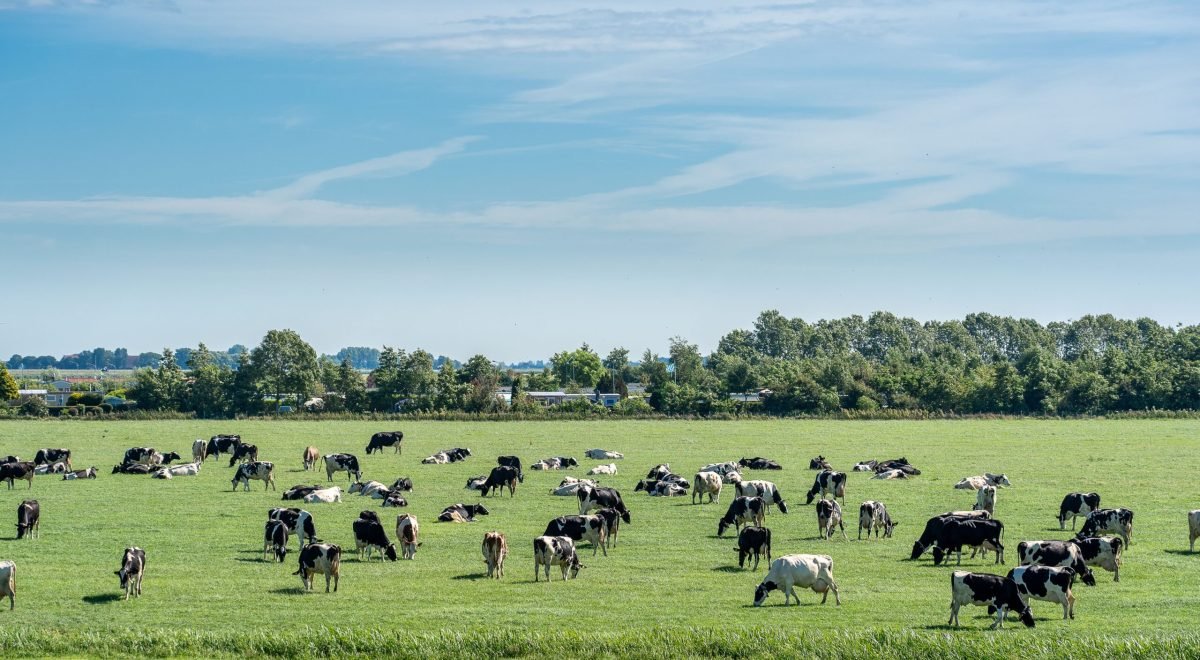
Livestock has been an essential part of human life for thousands of years. In many communities around the world, animals such as cattle, goats, sheep, and camels are not simply sources of food—they are valuable assets that provide income, support families, and strengthen local economies.
For many farmers and livestock owners, keeping animals is more than a traditional way of life. It is an investment in the future.
Why Livestock Matters
Healthy livestock can provide several important benefits. They can produce milk, meat, hides, and other useful products while also creating opportunities for people to earn a living.
For families in rural areas, livestock can provide financial security when other sources of income are limited.
A healthy herd can therefore represent both wealth and opportunity.
Healthy Animals Are More Valuable
The value of livestock depends greatly on its health and condition.
Healthy animals are more likely to grow properly, reproduce successfully, produce better-quality products, and survive difficult conditions.
This is why good livestock management is extremely important.
Owners should provide animals with:
- Clean drinking water
- Nutritious and sufficient food
- Appropriate shelter
- Regular observation
- Good hygiene
- Veterinary care when needed
- Protection from preventable diseases
Taking care of animals is not simply an expense. It is an investment that can help protect the value of the herd.
Livestock as a Source of Income
Livestock can create income in several ways.
Farmers may sell animals for breeding, meat production, milk production, or other purposes. A well-managed herd can gradually grow and become an important source of financial stability.
For this reason, livestock owners should think about both the short-term value of an animal and its long-term potential.
A healthy breeding animal, for example, may be more valuable over time because it can contribute to the growth of the herd.
Choosing Good Livestock
When buying livestock, appearance alone should not be the only consideration.
A responsible buyer should pay attention to the animal’s overall health, body condition, age, movement, behavior, and history when available.
It is also important to purchase animals from trustworthy sources whenever possible.
Before making a major purchase, getting advice from an experienced livestock professional or veterinarian can help reduce unnecessary risks.
Good Nutrition Makes a Difference
Nutrition is one of the foundations of healthy livestock.
Animals need access to appropriate feed and clean water. Their nutritional needs can vary depending on species, age, pregnancy status, climate, and production purpose.
Poor nutrition can reduce growth, reproduction, milk production, and general health.
Providing appropriate nutrition is therefore one of the smartest investments a livestock owner can make.
Disease Prevention Is Better Than Treatment
Disease can quickly reduce the value of a herd.
Prevention should therefore be a major part of livestock management.
Owners should regularly observe their animals for unusual behavior, loss of appetite, weakness, changes in body condition, injuries, or other signs of illness.
When an animal appears sick, professional veterinary advice should be sought rather than relying only on guesswork or unverified treatments.
Livestock and Community Development
Livestock can contribute to the wider community as well.
When livestock businesses grow, they can create opportunities for farmers, traders, transporters, veterinarians, feed suppliers, and other local businesses.
This means that a strong livestock sector can support economic activity beyond individual farms.
The Future of Livestock
The future of livestock farming depends on combining traditional knowledge with modern animal-care practices.
Better nutrition, improved breeding, disease prevention, veterinary services, responsible water management, and good record-keeping can help livestock owners become more productive and resilient.
Technology can also make livestock management easier by helping owners track animals, monitor health, record breeding information, and manage business activities.
Final Thoughts
Livestock is more than an animal standing in a field. It can represent food, income, family security, employment, and future opportunity.
But valuable livestock does not happen by accident. Healthy animals require responsible care, proper nutrition, clean water, disease prevention, and good management.
For anyone considering livestock as an investment, the most important principle is simple:
Take care of the animal, and you protect the value of your investment.
With responsible management and proper animal care, livestock can remain a valuable resource for families, farmers, and communities for generations to come.