
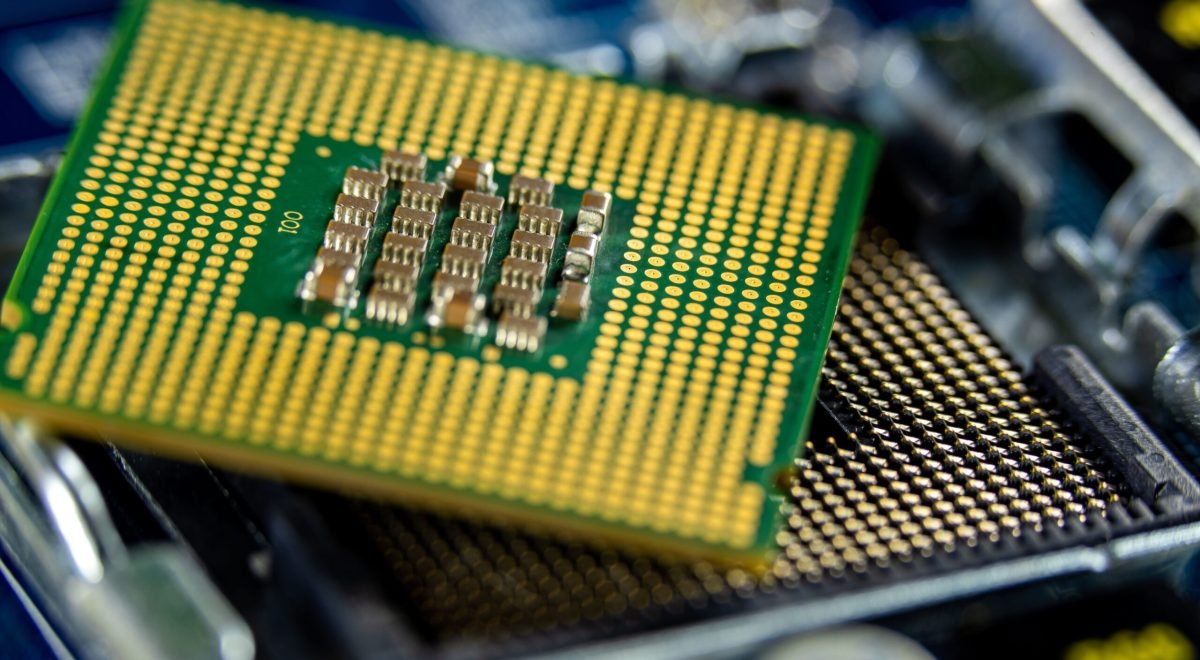
The technology sector has entered a transformative era, transitioning from traditional silicon scaling to unprecedented hardware architectures and edge intelligence. The latest breakthroughs over the past 24 hours reflect a massive shift toward faster computing, sovereign infrastructure, and the post-smartphone hardware ecosystem.
1. The Commercial Breakthrough of Silicon Photonics
Traditional silicon microchips are hitting a thermal and electrical ceiling due to the demands of massive AI model training. The latest hardware announcements mark a commercial turning point for Silicon Photonics—replacing electrical copper interconnects with laser light inside data centers.
- Near-Zero Latency Data Transfer: By transferring data using light particles (photons) rather than electricity (electrons), next-generation AI clusters are achieving up to 10x higher bandwidth while reducing energy consumption by over 40%.
- Solving the Energy Crisis: Major data center operators are racing to adopt optical compute chips to prevent power-grid overloads caused by gigawatt-scale AI workloads.
2. Edge AI & The Shift Away from the Cloud
A major technical transition is occurring on consumer devices. Rather than relying entirely on centralized cloud servers for processing, hardware manufacturers are deploying Small Language Models (SLMs) directly onto local device chipsets.
- On-Device Neural Processing Units (NPUs): Laptops, smartphones, and wearables now feature high-capacity NPUs capable of running multi-modal AI models completely offline.
- Privacy & Latency Benefits: Real-time speech translation, image generation, and personal context analysis occur entirely on-device, ensuring zero latency and eliminating cloud data privacy risks.
3. Comparing Computing Eras
| Metric | Traditional Silicon (2020–2024) | Photonic & Edge Architecture (2026) |
| Data Transfer Medium | Copper / Electrical Interconnects | Optical / Photonic Lasers |
| Processing Location | Centralized Cloud Server Farms | Hybrid (Local On-Device NPU + Cloud) |
| Energy Consumption | High (Thermal limits bottlenecking growth) | Optimized (Light-based efficiency & offline SLMs) |
| Response Latency | Network Dependent (50ms – 500ms) | Instantaneous / On-Device (<10ms) |
The Big Picture
The tech industry is no longer just competing on software capability; the battleground has shifted back to fundamental hardware physics. Organizations that adapt to optical computing efficiency and structure their systems for localized, edge-based execution will lead the next decade of technological infrastructure.